855-742-7542

The Pool Shark H2O Commercial Pool Chemistry Blog

News & Updates
Search the Pool Shark H2O Blogs

Our blog library has an extensive amount of articles on common issues with pool water chemistry and the most common causes of these issues. Use the search below to find an article that may help resolve your pool question.

  • There are no suggestions because the search field is empty.

If you are not finding the answer to your question, feel free to email us at support@poolsharkh2o.com and we can try to help.

Pool Biofilm: What It Is and How to Get Rid of It

What is pool biofilm, and how do you get rid of it? Pool biofilm is a community of microorganisms that attaches to wet surfaces and becomes enclosed in a protective matrix. You can think of biofilm almost like a spiderweb for microbes: a sticky, protective structure that helps them attach to a surface and stay there.

How Often Should You Change Cold Plunge Water?

For commercial gyms, health clubs, athletic facilities, and recovery centers, a cold plunge can see dozens of users in a single day–a number you’re likely still seeing increase, as cold plunge use has made the leap from niche wellness activity to mainstream. Since 2020, search interest for cold plunges has grown more than 400%, and the global cold plunge market is expected to reach $300 million...

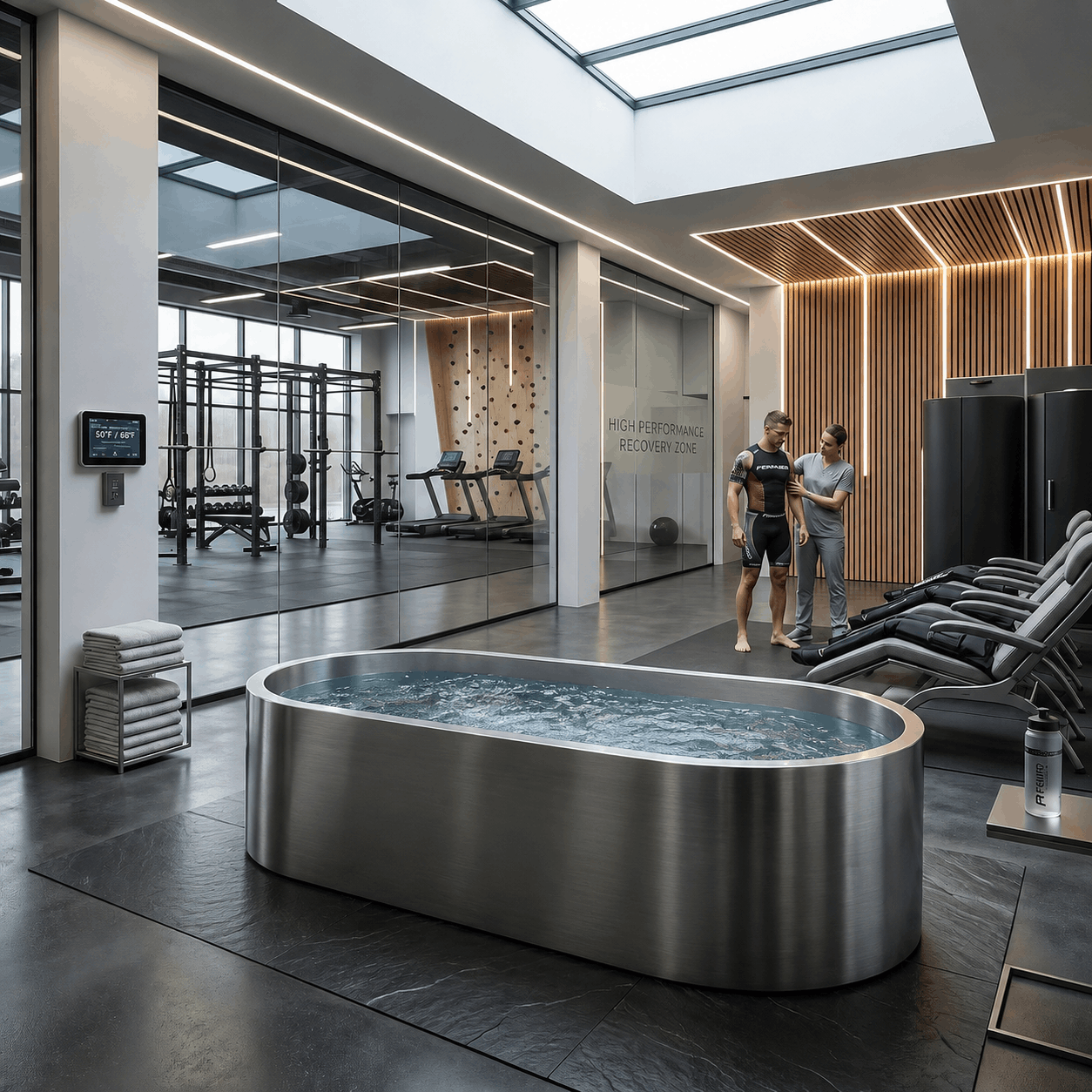
Cold Plunge Water Maintenance: An Overview for Commercial Facilities

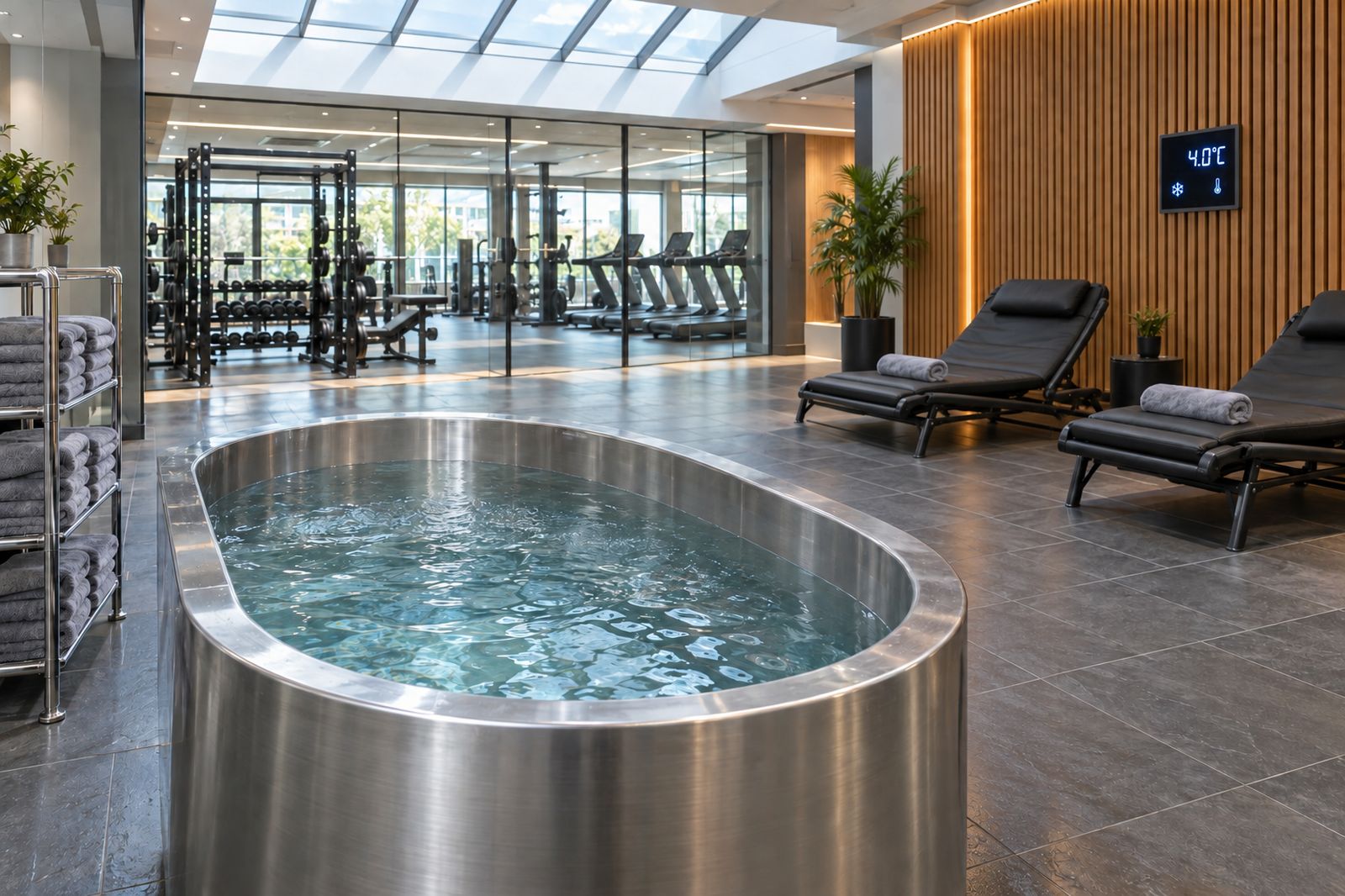
Adding a cold plunge can be a valuable amenity for a gym, health club, athletic facility, or recovery center. But keeping that plunge ready for the next user requires more than clean-looking water and a functioning chiller.

Chlorine for Cold Plunge: A Commercial Facility Guide to Water Chemistry and Maintenance

Cold plunges have quickly become a popular amenity in gyms, health clubs, athletic facilities, recovery centers, and wellness spaces thanks to health benefits touted by influencers, athletes, and your health-focused neighbor. But unlike a traditional pool or spa, cold plunge systems operate in a unique environment that requires a different approach to maintenance and water chemistry management.

Apartment Pool Maintenance: How Multifamily Teams Can Reduce Risk and Improve Pool Operations

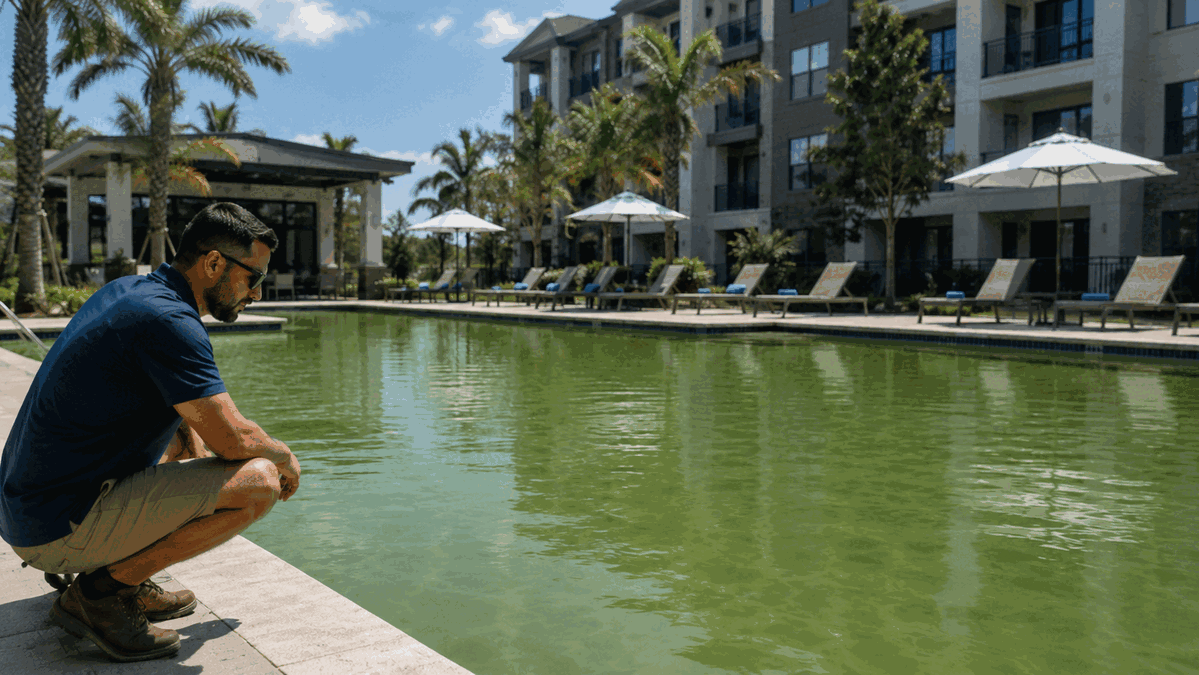
Managing multifamily properties often means your teams are constantly being pulled in multiple directions. So it's no wonder if you find yourself wondering, how often do your apartment pools really need to be tested for water quality?

Saltwater Pool Maintenance: What Commercial Pool Operators Need to Know

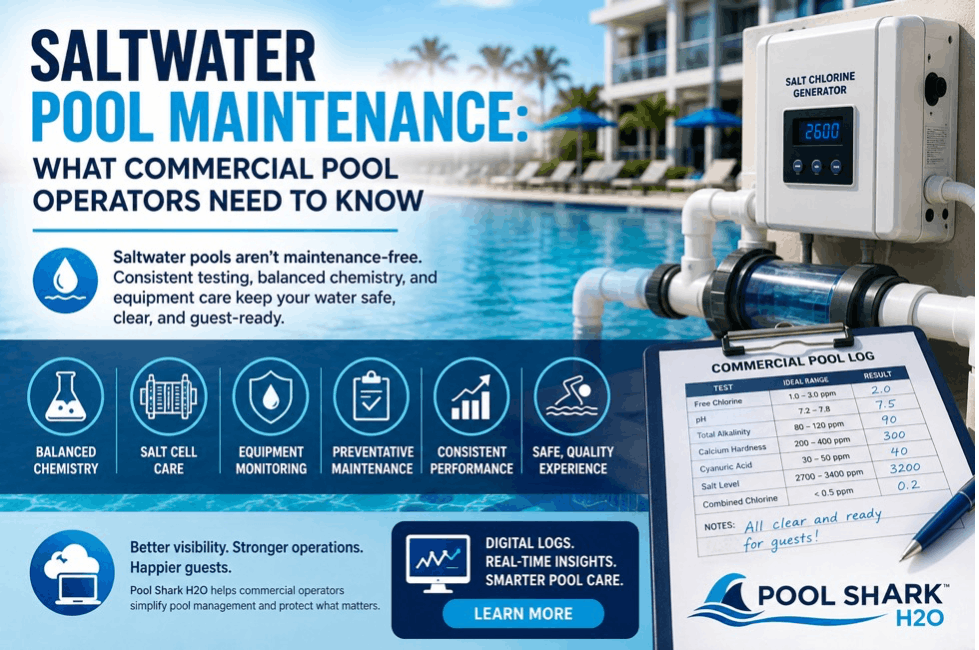
Quick Answer: Is Saltwater Pool Maintenance Easier for Commercial Pools? Saltwater pools still require regular testing, balancing, and preventative maintenance. While salt chlorine generators automate chlorine production, commercial operators must continue monitoring water chemistry, equipment performance, and salt cell condition to maintain safe swimming environments.

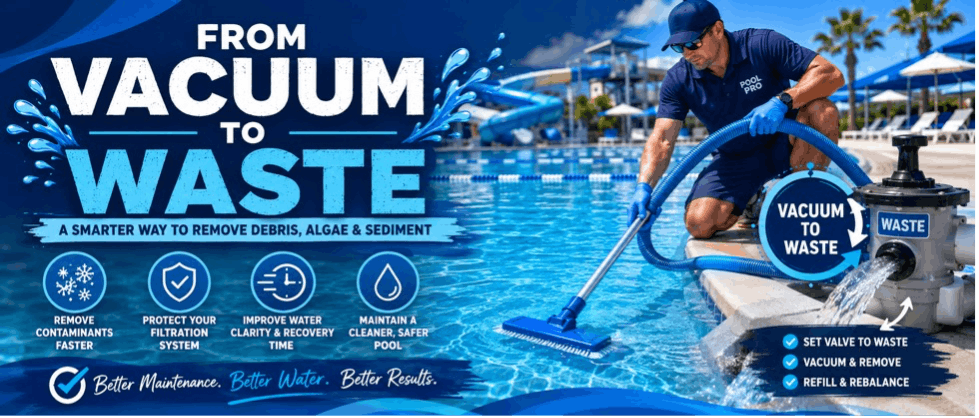
How to Vacuum a Swimming Pool to Waste: Step-by-Step for Commercial and Public Pools

Cloudy water, algae outbreaks, and heavy debris loads can quickly overwhelm a public commercial pool filtration system. In these situations, standard vacuuming may not be enough. When this is the case, vacuuming a pool “to waste” becomes an important maintenance strategy for commercial and public pool operators.

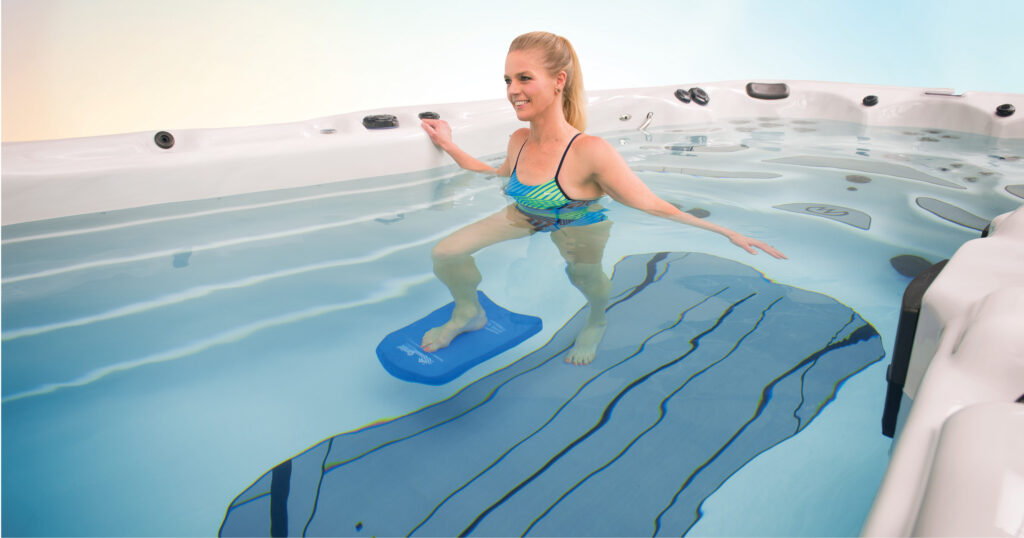
Hydrotherapy Pool Maintenance: What Operators Need to Know to Keep Patients Safe and Facilities Compliant

Therapy pools are a critical part of modern healthcare, rehabilitation, and wellness environments. In many cases, the individuals using these pools are medically vulnerable: recovering from injury, managing chronic conditions, or requiring supervised physical therapy.

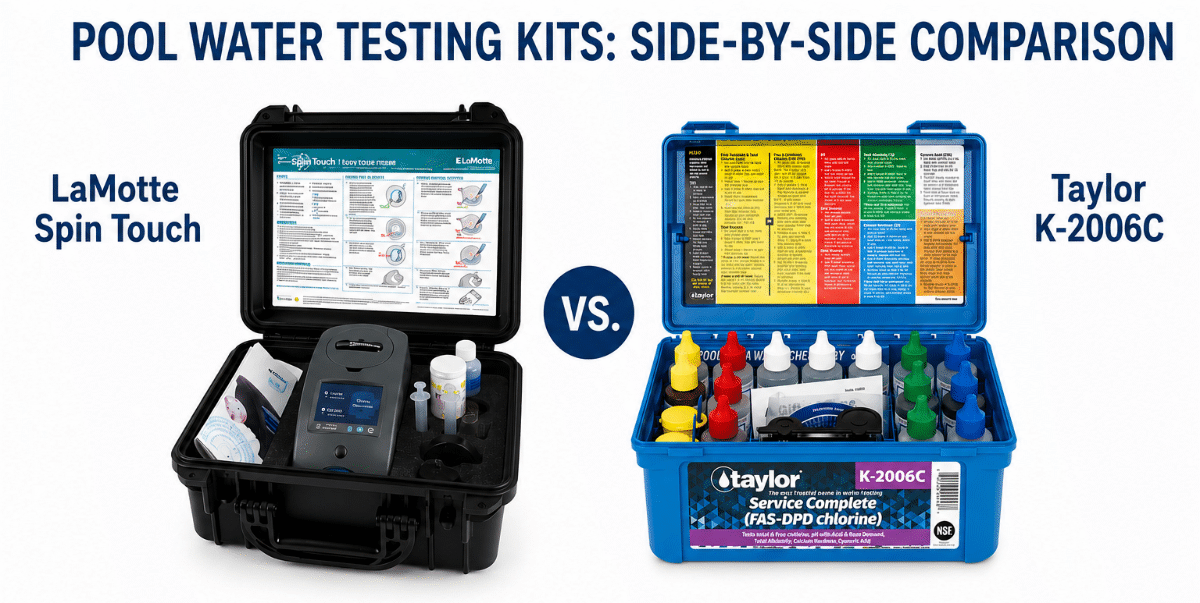
Taylor Test Kit vs. LaMotte Spin Touch: Which Pool Water Testing Method Is More Accurate and Cost-Effective?

When it comes to commercial pool water testing, few debates come up more often than Taylor test kits versus the LaMotte WaterLink Spin Touch. Many operators are quick to assume that traditional drop testing is automatically more accurate, while others hesitate at the perceived cost of single-use Spin Touch disks.

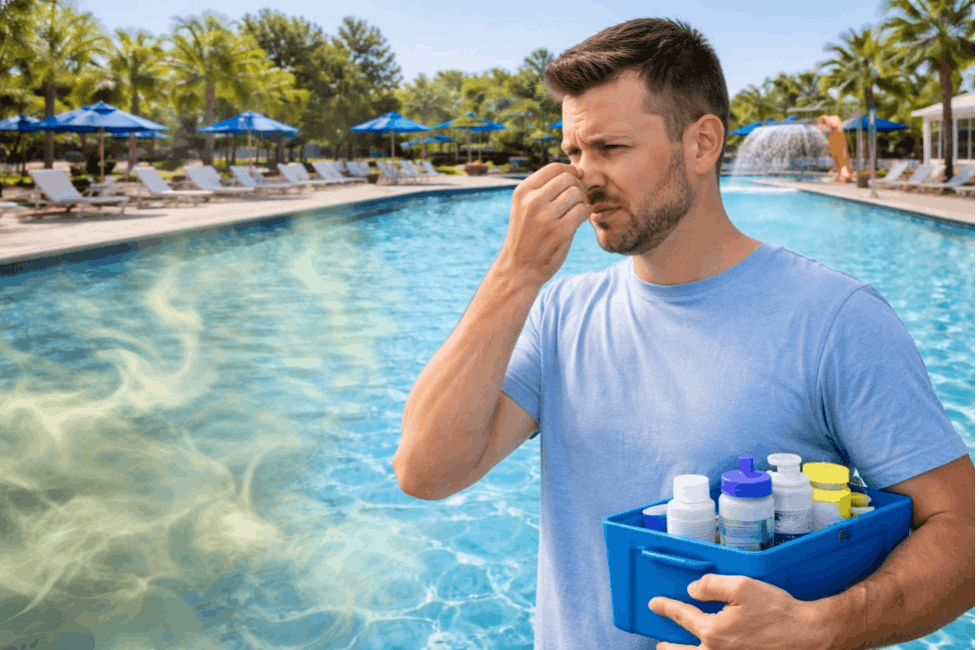
Why Does My Pool Smell Like Chlorine?

If your pool smells strongly like chlorine, it may seem like a sign that the water is clean and well-sanitized. In reality, the opposite is often true.

The benefits of implementing Pool Shark include:

  • Substantial ROI
  • Better Water Conditions
  • Improved Guest & Customer Satisfaction
  • Plug and Play Ease of Use
  • Stronger Risk Management & Reduced Liability
  • Guides and Practices
Commercial Pool Software

Subscribe to Email Updates

Recent Posts