

When swimming season comes to an end, properly closing your pool for winter is one of the most important steps you can take to protect your investment. Winter weather, freezing temperatures, and months of inactivity can take a toll on pool equipment, plumbing, and water quality if the right precautions aren't taken.
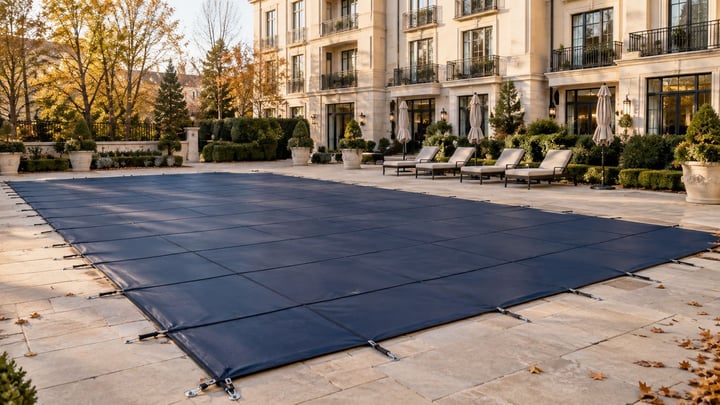
Winterizing a swimming pool involves more than simply putting on a cover. From balancing water chemistry to protecting pipes and filtration equipment, each step helps prevent costly damage, algae growth, and surface staining, and makes reopening your pool easier when warmer weather returns.
Here's how to close a swimming pool for winter and what commercial pool operators should know before shutting down for the season.
Why Is It Important to Winterize a Swimming Pool?
Proper pool winterization protects your pool and its equipment during extended periods of inactivity.
When water freezes, it expands. If water remains trapped in pool plumbing, pumps, filters, or other equipment, that expansion can crack pipes, damage components, and lead to expensive repairs.
Water chemistry also matters. Improperly balanced water can contribute to scaling, staining, or corrosion of pool surfaces and equipment, even when the pool isn't being used.
For commercial and public swimming pools, winter closing procedures are especially important because of the size and complexity of their circulation systems. A thorough shutdown helps protect infrastructure, reduce maintenance costs, and support a smoother reopening in spring.
When Should You Close Your Swimming Pool for Winter?
Pool seasons vary pretty widely: a season in upstate New York or Washington state will be a lot different than one in Georgia or Texas. It’s common for hotel, apartment, and adult health club pools to be able to stay open for longer than community pools too, if you’re less dependent on lifeguards’ school schedules. All that means is that the best time to close your swimming pool depends on your climate, pool usage, and the risk of freezing temperatures.
In colder regions, there’s a sweet spot to winterize outdoor pools. You’ll want to wintirize before sustained freezing weather arrives, but not until water temperatures consistently fall below approximately 60°F, which helps reduce algae growth during the off-season.
However, protecting plumbing and equipment before the first significant freeze is more important than waiting for a particular water temperature. A sudden freeze that damages your mechanical systems can be very expensive. It’s critical to appropriately prep.
You should also consider seasonal operating schedules, your local health department requirements, and the time needed to complete winterization safely.
How Do You Close a Swimming Pool for Winter?
Closing a swimming pool involves cleaning the pool, adjusting water chemistry, lowering the water level when necessary, protecting equipment, and securing the pool for the off-season.
The exact procedure depends on the pool's design, filtration system, climate, and equipment manufacturer recommendations.
Step 1: Thoroughly Clean the Pool
Before winterizing, remove leaves, dirt, and other debris from the pool.
Skim the water's surface, brush the walls and floor, and vacuum accumulated sediment. Pay particular attention to steps, corners, and areas where debris tends to collect.
Leaving organic material in the pool can contribute to staining, algae growth, and water quality problems during the winter months.
Clean skimmer baskets and inspect the pool for visible damage that should be addressed before closing.
Step 2: Test and Balance Pool Water Chemistry
Properly balanced water helps protect pool surfaces and equipment throughout the off-season.
Test the pool water and adjust pH, total alkalinity, calcium hardness, and sanitizer levels according to the pool manufacturer's recommendations and your applicable local requirements.
Depending on the pool and its operating conditions, a winterizing chemical treatment may also be appropriate to help control algae and other contaminants.
Always follow chemical manufacturer instructions, and allow adequate circulation time after treatment before shutting down the filtration system.
Avoid adding incompatible chemicals together or using excessive amounts of winterizing products.
Lastly, document your final water chemistry readings. This not only gives you a record for Health Department compliance, but in the spring, when it’s time for reopening, it gives you an understanding of what state the water was in before winter.
Step 3: Lower the Pool Water Level if Necessary
Not every pool needs its water level lowered for winter.
The appropriate level depends on the type of pool, plumbing configuration, winter cover, and freeze protection requirements.
Some pools can remain near their normal operating water level when plumbing lines are properly cleared and sealed. Others require partial draining to protect skimmers, fittings, or other components.
Follow the pool builder's and equipment manufacturers' instructions. Draining too much water can damage certain pool structures, liners, or finishes, particularly in areas with high groundwater levels.
Step 4: Winterize Pool Plumbing and Equipment
Protecting plumbing and equipment is one of the most critical parts of closing a swimming pool for winter.
Water remaining in circulation lines or equipment can freeze and cause significant damage.
Depending on the system, winterization may involve:
- Clearing plumbing lines: Use appropriate equipment to remove water from suction, return, and other vulnerable lines.
- Protecting skimmers and returns: Install approved winterizing plugs or freeze-protection devices where required.
- Draining pumps and filters: Remove water according to manufacturer instructions and open designated drain plugs.
- Winterizing heaters: Drain heat exchangers and associated plumbing as specified by the manufacturer.
- Protecting accessories: Winterize water features, automatic chemical feeders, cleaners, and other connected equipment.
- Securing electrical systems: Shut down or configure equipment controls according to your facility's winter operating plan.
Complex commercial systems may require specialized winterization procedures. Improperly clearing lines or applying excessive air pressure can damage equipment, so qualified pool service professionals should handle unfamiliar or high-risk systems.
Step 5: Clean and Prepare the Pool Filter
Pool filters should be cleaned before the system is shut down for winter.
For sand filters, this typically involves backwashing and rinsing according to the manufacturer's instructions before draining the filter.
Cartridge filters require removing and cleaning the filter elements. Once dry, cartridges may be stored in a clean, protected location if recommended by the manufacturer.
Diatomaceous earth (DE) filters should be backwashed or cleaned as specified, with used DE disposed of appropriately. Internal grids may also require inspection.
Proper filter maintenance helps prevent debris from hardening inside the system and reduces the amount of work needed when the pool reopens.
Step 6: Install and Secure the Winter Pool Cover
A properly fitted winter pool cover helps keep leaves, debris, and unwanted materials out of the water.
For commercial pools, the cover should be appropriate for the pool's dimensions, design, and safety requirements.
Secure the cover according to manufacturer instructions and inspect anchors, straps, and attachment points.
Note that a winter cover should never be assumed to function as a safety barrier unless it is specifically designed and rated for that purpose.
Step 7: Inspect and Secure the Pool Area
Before closing the facility, inspect the surrounding pool deck, fencing, gates, and access points.
Remove or properly store seasonal equipment, including furniture and removable accessories, according to facility procedures.
Confirm that required barriers and safety measures remain in place throughout the off-season.
Finally, you and your staff should document completed winterization procedures, equipment conditions, and any repairs that need attention before reopening.
Does a Closed Swimming Pool Need Maintenance During Winter?
Yes. Even after a swimming pool has been winterized, periodic inspections are important.
Check the pool cover for damage, accumulated debris, or excessive standing water. After storms or significant temperature changes, inspect the pool area for potential problems.
Depending on the pool's winterization method, operators may also need to monitor water levels, chemistry, and equipment conditions.
Addressing small issues during the off-season can help prevent larger problems when swimming season returns.
Make Winter Pool Closing Easier With Professional Maintenance
Closing a swimming pool correctly protects your facility's equipment, reduces the risk of winter damage, and helps set the stage for a successful reopening.
For commercial pools, a well-planned winterization process is an important part of long-term facility maintenance.
At PoolShark H2O, we make pool chemistry easy for everyone. With instant water chemical balancing, precise dosage instructions anyone can follow, automatically archived digital pool log book records, and remote reminders and alerts, you can head into winter with the peace of mind that your pools have been properly closed and documented, and your profits protected.
FAQs
What water temperature should you close a pool for winter?
In colder climates, aim to close once water temperatures stay below about 60°F, since cooler water slows algae growth over the off-season. That said, freeze protection comes first. If a hard freeze is in the forecast before the water cools, winterize the plumbing and equipment anyway rather than risk cracked pipes.
Should you drain a commercial pool for winter?
Usually not. Most commercial pools only need the water lowered partway, if at all, depending on the plumbing, skimmer design, and winter cover. Fully draining a pool can damage liners, finishes, and even the structure itself, especially where groundwater is high. Always follow the pool builder’s and equipment manufacturers’ instructions first.
What chemicals do you need to close a pool for winter?
Most pools need chemicals to balance pH, total alkalinity, calcium hardness, and sanitizer levels, and some also need a winterizing algae treatment. The right products and amounts depend on the pool and your local requirements. Follow manufacturer directions, never mix incompatible chemicals, and circulate the water before shutting the system down.
Can facility staff winterize a commercial pool themselves?
Facility staff can handle cleaning, chemistry, and covering, but clearing lines on a large commercial system is a different job. Too much air pressure or an incomplete blowout can crack pipes and damage pumps, heaters, and filters. For unfamiliar or high-risk systems, a qualified pool service professional is the safer and usually cheaper choice.
How often should you check a closed pool during winter?
Check it regularly through the off-season, and always after storms, heavy snow, or big temperature swings. Look for cover damage, standing water, debris, and any problems with fencing or gates. Depending on how the pool was winterized, you may also need to monitor water levels, chemistry, and equipment conditions.
What records should you keep when closing a commercial pool?
Record your final water chemistry readings, the winterization steps completed, equipment conditions, and any repairs needed before reopening. Those records support health department compliance and show you exactly what state the pool was in when spring arrives. Pool Shark H2O archives them automatically in a digital pool log, so nothing gets lost over winter.
